
CGI vs Product Photography for Furniture: Cost, Time and When Each Wins
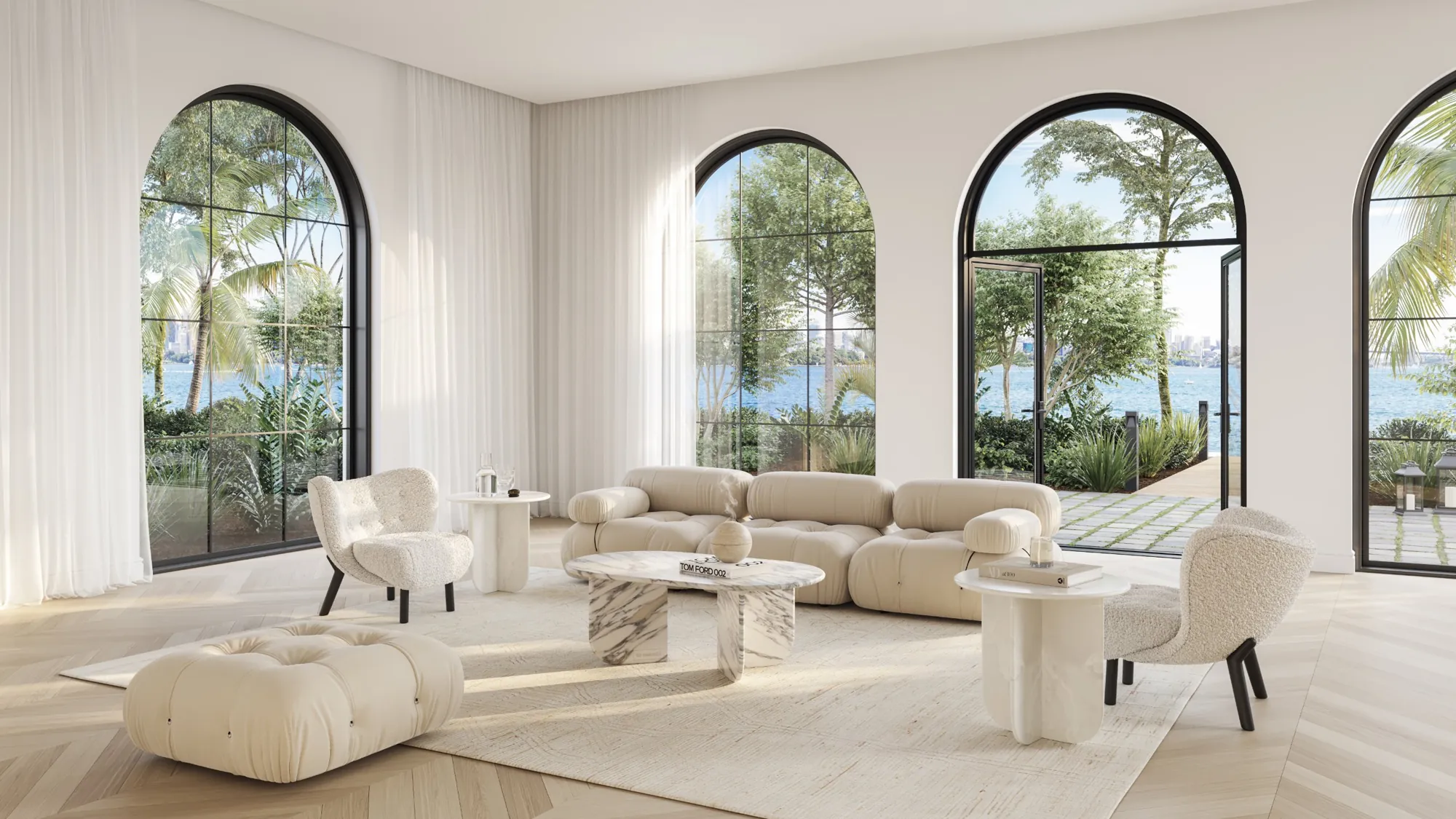
For most furniture brands that need many images, CGI is cheaper and faster than photography. For a single, very detailed product, a photo shoot can still be the better deal. I make furniture renders for a living, so I'll try to be fair about both sides.
Short answer
- CGI wins when the product doesn't exist yet, when you need many colour or fabric variants, or when a scene contains a lot of furniture.
- Photography wins when you have one finished product with complex upholstery, stitching or fabric detail, and you need only a few images.
- Most brands end up using both.
What changes between a shoot and a render
A photo shoot needs the physical product in a studio. That means shipping samples, which for sofas, desks and large tables is slow and expensive, then a photographer, styling and retouching. If you want the same chair in five finishes, you ship five chairs or repeat the shoot.
A render needs a 3D model. Most manufacturers already have one, because the CAD data exists for production. I build the scene from that file, add materials and lighting, and deliver stills or animation. Nothing gets shipped anywhere, and a change to the product is a change to the file.
What it costs
My ranges for a single image, in euros:
| Type of image | Typical price |
|---|---|
| Simple product on a white background | from about €400 |
| Complex white-background render, or several products together | €600–1,000 |
| Furniture placed in an interior scene | €1,000–2,000 |
The final price depends on how complex the model is, how many pieces are in the scene and how many images you need. A quote always starts from your CAD files and a short brief.
For photography, public numbers are scattered and often come from companies that sell 3D services themselves, so treat them with caution. One example is a 2021 study by CGTrader, a 3D content vendor. It collected quotes from more than 100 photo studios in 17 cities for five furniture products with 30 images in total. The average photography quote was about $11,000, against roughly $2,000 for the same set made in 3D (Furniture News). That is a vendor's own study, and your numbers will differ, but the direction matches what I see.
Where CGI wins
New collections before production is finished. For The Essentialist Studio, I made the Marble Reverie visuals while their handcrafted marble tables were still being made. At launch they already had finished images of the tables in three interior scenes, ready for their online shop and social media. You can't photograph a table that doesn't exist yet. You can render it from the design files.
Large scenes. One of my regular jobs is an open-plan office with a large number of desks, chairs and storage pieces. Photographing that means moving a whole showroom's worth of furniture. In 3D, the scene is built once and I can change layout or camera angle without moving anything.
Variants. A new colour or material on an existing image is not a new project. If the scene is already built, I can usually add a variant within the original timeline, and it costs around 20 to 30 percent of the original render. A brand with ten finishes pays for one full image and nine variants, not ten shoots.
Shipping and storage. Bulky furniture is expensive to move and store for photography. IKEA is the best-known example of a company that moved most of its catalogue images to CGI, with reports putting the share at around 75 percent as early as 2014.
Where photography still wins
A render is only as good as the effort that goes into the model. For complex products with a lot of visible detail, such as quilted or heavily stitched upholstery, or textiles with a complicated weave, I can model and simulate all of it, but it takes time. The question is how much time and money that consumes compared with a photographer taking the shot on a finished product.
If you have one product, it already exists, and you need a handful of images, photography is often cheaper. The balance tips as the number of images, variants or scenes goes up.
A hybrid approach often works best
Some brands photograph the hero product and render the rest: the room scenes, the extra colours, the catalogue pages. The two can look consistent when the lighting and styling are matched, and it keeps the expensive part of a shoot to the one thing that really needs a camera.
How long does a render project take
A simple project on a white background usually takes two to three weeks from receiving your files to final delivery. The real variable is how fast feedback comes back. I normally plan two rounds of revisions. Interior scenes and more complex projects often need a third round.
What helps most is a complete package at the start: CAD files, material samples or swatches, and a few reference images of the look you want.
FAQ
Is CGI cheaper than photography for furniture?
For multiple images, variants or large scenes, usually yes. For one finished product with complex fabric detail, a photo shoot can cost less.
Can a render look as real as a photograph?
Yes, when it is built from accurate CAD data and real material information. Most people can't tell the difference in a catalogue or on a product page.
Do I need to send the physical product?
No. I work from your CAD files. Fabric swatches or material samples help me match colours and textures.
How much does an extra colour variant cost?
Typically 20 to 30 percent of the original render price, often within the original timeline.
Can I combine photos and renders?
Yes. Many brands photograph their main product and render scenes and variants.
How long does it take?
Two to three weeks for a simple white-background project, depending on how quickly feedback comes in.
If you're deciding between the two for a collection, send me your files and a short brief through the contact page. I'll tell you honestly which option makes more sense. You can also see my work on product visualization and the Marble Reverie case study.